
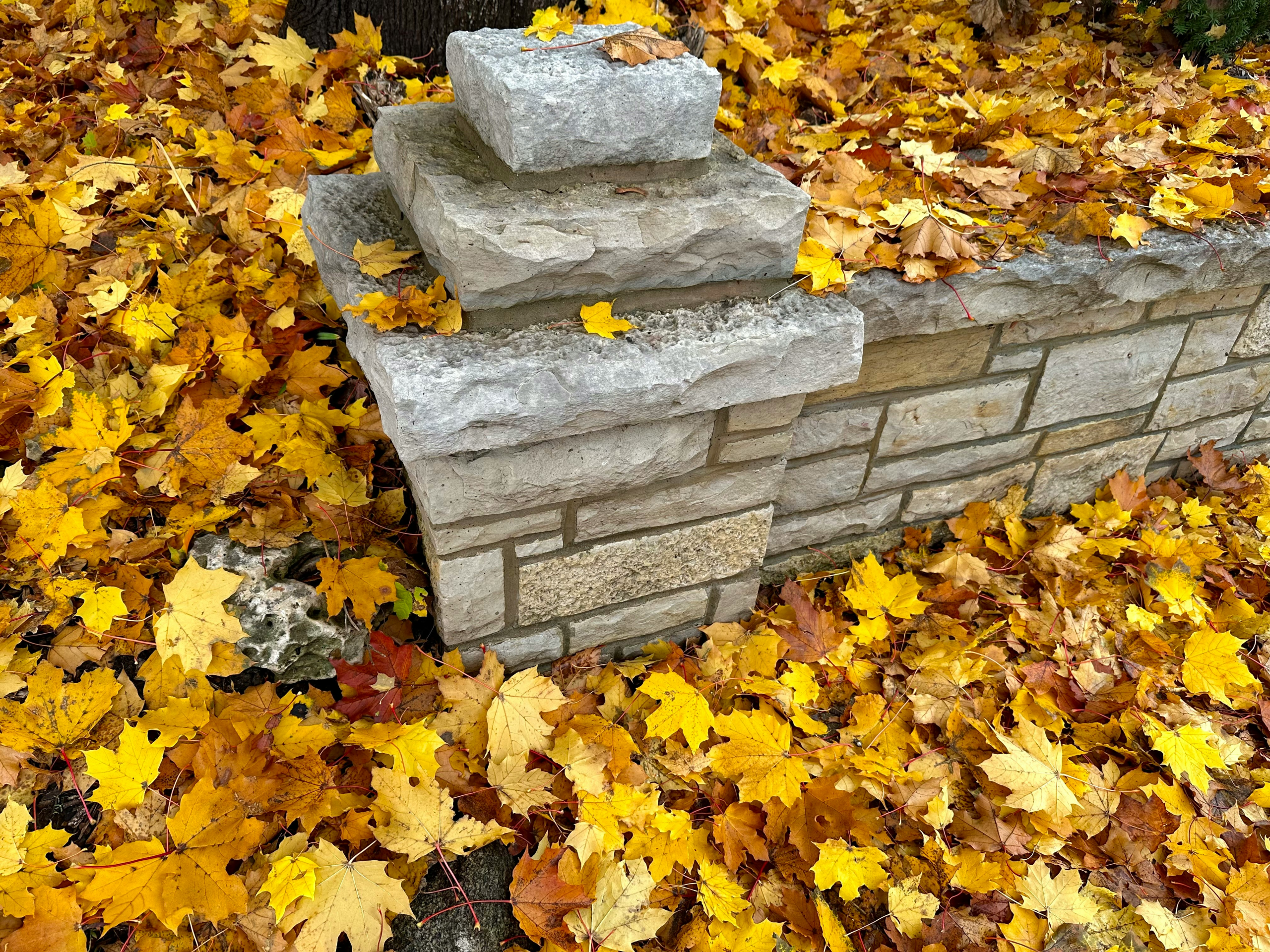
Christ the Cornerstone: Rejected by Men, Chosen by God
1 Peter 2:4-8
"Coming to Him as to a living stone, rejected indeed by men, but chosen by God and precious, you also, as living stones, are being built up a spiritual house, a holy priesthood, to offer up spiritual sacrifices acceptable to God through Jesus Christ. Therefore it is also contained in the Scripture, 'Behold, I lay in Zion a chief cornerstone, elect, precious, and he who believes on Him will by no means be put to shame.' Therefore, to you who believe, He is precious; but to those who are disobedient, 'The stone which the builders rejected has become the chief cornerstone,' and 'A stone of stumbling and a rock of offense.' They stumble, being disobedient to the word, to which they also were appointed."
Prophecy Fulfilled: Christ the Cornerstone Rejected
Old Testament messianic prophecy described the coming Savior with a striking paradox: He would be both the chief cornerstone and a stone rejected by men. The psalmist declared, “The stone which the builders rejected has become the chief cornerstone. This was the Lord’s doing; it is marvelous in our eyes” (Psalm 118:22-23). Isaiah prophesied, “Behold, I lay in Zion a stone for a foundation, a tried stone, a precious cornerstone, a sure foundation” (Isaiah 28:16). These prophecies, written centuries before Christ’s birth, predicted both His supreme importance and His shocking rejection.
Jesus fulfilled both aspects of this prophecy completely. He is Christ the cornerstone—chosen by God as the exclusive means of salvation and the foundation upon which all believers are built (Acts 4:11-12). In ancient construction, the cornerstone was the first stone laid, carefully selected for its strength and positioned to determine the alignment of the entire structure. Every other stone would be measured against it, set in relation to it, dependent upon it for stability. Christ the cornerstone serves this exact function in God’s spiritual house—He is the reference point, the foundation, the source of alignment and strength for everything God is building.
Yet even after Jesus fulfilled messianic prophecy, performed undeniable miracles, taught with unmatched authority, and rose from the dead—validating His claims with irrefutable evidence—the religious leaders rejected Him as Savior. The very experts who studied Scripture, who claimed to await Messiah, who examined Jesus closely, dismissed Him as unworthy and dangerous. They “built” their religious system while rejecting the stone God had chosen as foundational (Matthew 21:42-44).
Divine Wisdom vs. Human Wisdom
This rejection wasn’t accidental or incidental—it was predicted and purposeful within God’s sovereign plan. Peter quotes the prophecy to show that what human wisdom rejected, divine wisdom established as essential. What religious experts deemed inadequate, God declared precious and elect. The very stone the builders examined and discarded became the chief cornerstone of God’s eternal temple. This reversal demonstrates that God’s ways transcend human understanding and His choices often contradict human preferences (Isaiah 55:8-9; 1 Corinthians 1:23-25).
The religious leaders rejected Christ the cornerstone for multiple reasons. He didn’t fit their expectations of a political Messiah who would overthrow Rome. His message of grace threatened their system of works-righteousness. His authority challenged their positions of power. His association with sinners offended their religious sensibilities. His claims to deity struck them as blasphemous rather than truthful. They wanted a stone that would support their existing structure; God provided a cornerstone that required tearing down their faulty foundation and rebuilding on Him alone.
But rejection by human authorities didn’t diminish Christ’s value or function. God’s declaration of “chosen” and “precious” trumps every human verdict. When the experts dismiss what God esteems, they reveal not Christ’s inadequacy but their own blindness (2 Corinthians 4:3-4). Christ the cornerstone remains precious, elect, and essential regardless of human opinion. The building will be constructed on Him whether the original “builders” participate or not.
Built Upon the Living Stone
As believers come to faith in Christ the cornerstone, they themselves become “living stones” being “built up a spiritual house” (1 Peter 2:5). This is Peter’s breathtaking vision: those who recognize Christ’s value and build their lives upon Him are incorporated into the very structure He anchors. We’re not passive observers of God’s construction project—we’re active participants, materials transformed into living building blocks precisely positioned within God’s eternal temple (Ephesians 2:19-22).
Notice Peter calls Christ a “living stone.” This isn’t an oxymoron but a profound truth. Unlike dead, inert building materials, Christ the cornerstone is alive—resurrected, reigning, actively sustaining everything built upon Him (Colossians 1:17). Because He lives, we who are joined to Him also become living stones, infused with His resurrection life, participating in His eternal purposes. Dead stones create dead buildings, but living stones built upon the living cornerstone create a dynamic, Spirit-filled, eternally enduring spiritual house.
Each believer is placed precisely where God intends within this structure. You’re not randomly tossed into a pile of stones—you’re carefully positioned by the Master Builder to fulfill specific purposes, relate to specific people, and contribute to the building’s integrity and beauty. Your placement depends entirely on your connection to Christ the cornerstone. Aligned with Him, you fit perfectly. Disconnected from Him, you have no place in God’s building at all (John 15:4-5).
The Dividing Line of Humanity
Peter makes a sobering observation that every person must reckon with: to every human, Christ the cornerstone is one of two things. There is no neutral position, no middle ground, no category of indifference. You either build on Him or stumble over Him. He is either foundation or obstacle, treasure or offense, salvation or judgment.
For those who believe, Christ the cornerstone is precious—the means of salvation, the secure foundation, the source of eternal life and unshakeable confidence. “Therefore, to you who believe, He is precious” (1 Peter 2:7). Believers treasure Christ above all earthly values, finding in Him everything their souls need. The preciousness of Christ the cornerstone grows over time as believers discover more of His character, experience more of His faithfulness, and realize more fully what He has secured for them. What begins as initial faith matures into deep, settled conviction that Christ is infinitely valuable (Philippians 3:7-8).
Those who build their lives on Christ the cornerstone enjoy multiple promised benefits. First, they “will by no means be put to shame” (1 Peter 2:6). When everything else fails, when circumstances collapse, when earthly securities crumble, those built on Christ the cornerstone stand secure. They won’t be disappointed, embarrassed, or left without foundation. Second, they become part of God’s spiritual house with access to Him and purpose in His plan. Third, they have confident hope that what’s begun on this foundation will be completed in glory (Philippians 1:6).
The Stone of Stumbling
But for those who are disobedient and reject Christ, the cornerstone becomes “a stone of stumbling and a rock of offense”—the means of judgment rather than salvation (1 Peter 2:8). The same stone that provides foundation for believers becomes a crushing stone for those who refuse to build upon it. They stumble over Christ’s exclusivity, His claims to deity, His demands for surrender, His call to repentance. What believers treasure as precious, unbelievers dismiss as foolish, dangerous, or offensive (1 Corinthians 1:18).
Peter’s language intensifies: Christ the cornerstone isn’t just something they trip over accidentally—He becomes an active obstacle in their path. They “stumble, being disobedient to the word, to which they also were appointed.” Their disobedience to God’s revealed truth results in inevitable collision with Christ. You cannot ignore the cornerstone—you must either build on it or be broken by it (Matthew 21:44). Christ demands response, and refusal to respond positively is itself a negative response with eternal consequences.
The tragedy of rejecting Christ the cornerstone is that it’s entirely avoidable yet completely devastating. Unlike unavoidable natural disasters or unforeseen calamities, stumbling over Christ results from willful disobedience. God has provided abundant evidence, clear testimony, and gracious invitation. The cornerstone is plainly visible, firmly established, openly proclaimed. Those who stumble do so not from lack of information but from refusal to submit (Romans 1:20-21; John 3:19).
The Urgency of Decision
This sobering truth about Christ the cornerstone should affect both how we view our own salvation and our responsibility to share the gospel. We who have found Christ precious, who have built our lives on this secure foundation, should urgently plead with others to come to Him before it’s too late. Every person we encounter is either building on Christ the cornerstone or heading toward collision with the stone of stumbling. There are no other options.
Christ will not be ignored or bypassed. He stands as the unavoidable stone in every person’s path. The question isn’t whether you’ll encounter Christ the cornerstone, but whether you’ll build on Him or stumble over Him. Every person will ultimately acknowledge Him—either as Savior in this life or as Judge in the next (Philippians 2:10-11). The “builders” who reject Him now will eventually confess His lordship, but by then opportunity for salvation will have passed.
For those reading this who have not yet built your life on Christ the cornerstone: today is the day of salvation (2 Corinthians 6:2). The stone the religious experts rejected has been proven by two thousand years of history to be exactly what God declared—precious, elect, the only sure foundation. Don’t make the same mistake the ancient builders made. Don’t examine Christ and dismiss Him. Don’t let pride, preferences, or preconceptions cause you to stumble over the stone God has provided for your salvation. Build on Him now, while grace is freely offered, before the cornerstone of salvation becomes the stone of judgment.
(If you would like to study further on the topic of Salvation, please consider checking out the Salvation Series.)
Reflection Questions
- How does understanding that Christ the cornerstone was prophesied in the Old Testament and fulfilled in the New Testament strengthen your confidence that Jesus is truly God’s chosen means of salvation?
- Why do you think religious experts who studied Scripture carefully still rejected Christ the cornerstone? What warnings does their example provide for modern believers who claim to know God’s Word?
- Peter says that to believers, Christ is “precious.” On a scale of 1-10, how precious is Christ to you compared to other things you value? What would increase His preciousness in your eyes?
- Who in your life needs to hear about Christ the cornerstone before they stumble over Him into judgment? What’s keeping you from urgently sharing this message with them?
Prayer
Consider that Christ the cornerstone—rejected by human builders yet chosen by God—is the only secure foundation for your life. Thank God for opening your eyes to see His preciousness when others remain blind.
For further study on the Messianic Prophecies and how Jesus fulfilled them perfectly, consider checking out the Messianic Prophecies collection ->
Leave a Reply